A trustworthy exterior contractor makes the process clearer, not more confusing. Look for communication, documentation, and realistic promises.
Start With What You Can See Safely
You do not need to climb onto the roof to notice that something may be wrong. Walk the property from the ground, look at the roofline from multiple angles, and pay attention to gutters, siding, vents, screens, and areas where water normally drains. If anything looks fresh, dented, lifted, cracked, stained, or out of place, take photos and write down when you noticed it.
What Homeowners Should Know
- They inspect before recommending a solution.
- They explain scope, materials, timeline, and cleanup.
- They do not guarantee insurance outcomes.
- They provide written estimates and answer questions plainly.
- They respect the property and follow through after installation.
Why Waiting Can Cost More
Some roof and exterior problems do not become urgent until water gets inside. By then, the repair may involve drywall, insulation, decking, paint, flooring, or other interior work. An inspection does not force you into a project; it gives you information before the problem grows.
A Better Next Step
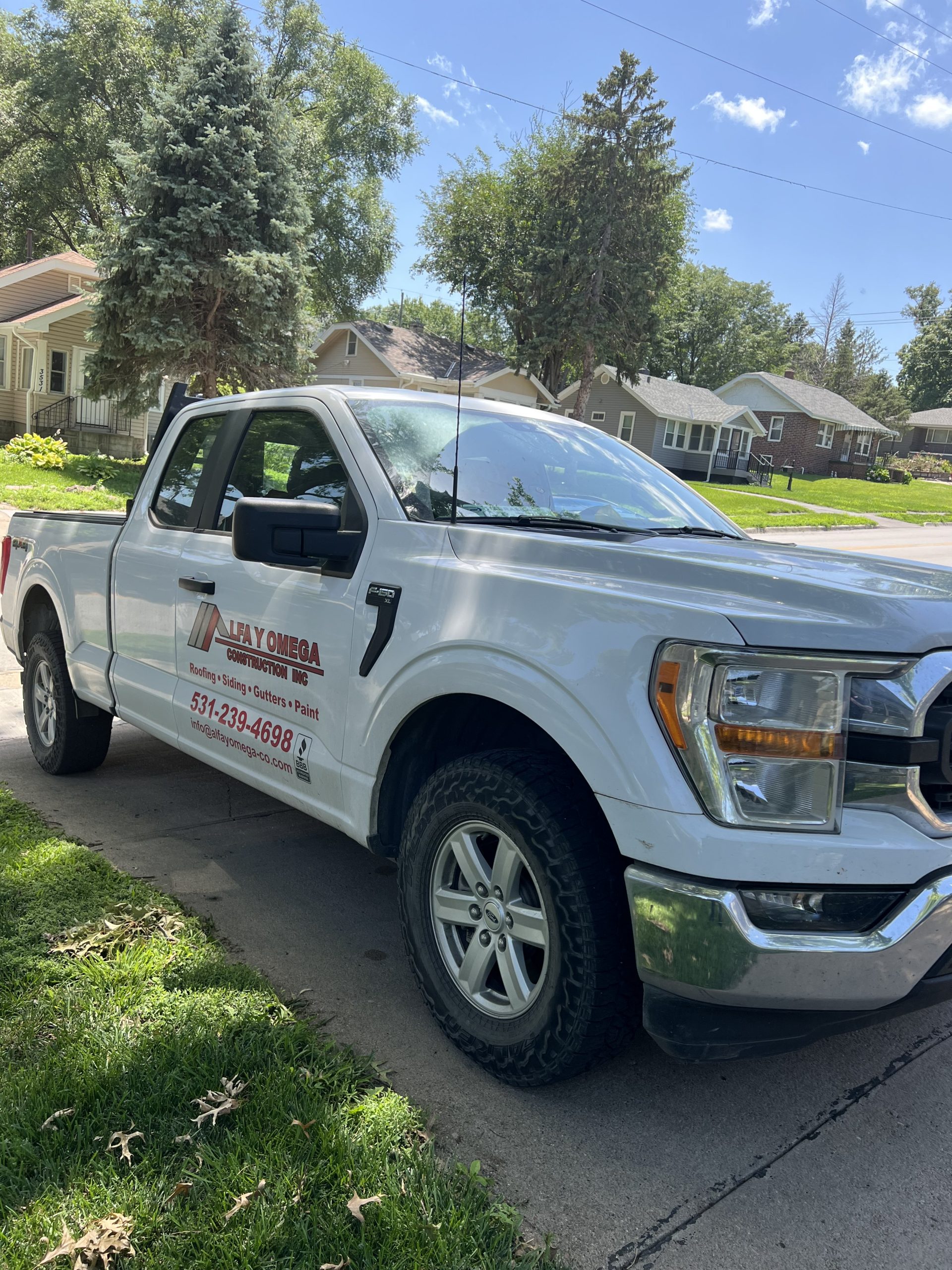
The goal is not the fastest sales pitch; it is a finished project you understand and feel good about. Alfa y Omega’s role is to inspect, explain what is visible, and help you understand the next best step. For storm-related situations, that may include documenting observed damage. For retail projects, it may mean a clear estimate, repair recommendation, replacement plan, or financing conversation.
Quick FAQ
Do I have to know exactly what is wrong before calling?
No. Many homeowners call because they are not sure. The inspection is meant to clarify the situation.
Should I climb on the roof to check it myself?
No. Roofs can be steep, slick, brittle, or damaged after storms. Keep your check ground-level and let a qualified person inspect the roof surface.
Will every issue require a full replacement?
Not always. Some issues are repairable. Others are signs that the roof or exterior system needs a larger conversation. The condition, age, damage pattern, and project goals all matter.
Can Alfa y Omega help me understand insurance-related roof damage?
Yes, Alfa y Omega can document observed conditions and explain repair options. Insurance coverage decisions are made by the carrier according to the policy.
Trust Shows Up Before the Contract
A trustworthy contractor answers questions clearly, explains the scope, documents what they see, avoids pressure tactics, and gives homeowners time to make a decision. They should be willing to explain why a repair, replacement, or wait-and-monitor recommendation makes sense.
Trust Shows Up After the Work Too
The job is not only about materials. It is also about communication, property protection, cleanup, warranty expectations, and follow-through if something needs attention later. Before hiring, homeowners should look for reviews, local presence, clear written scope, and a process that feels organized rather than rushed.
Trust Signals To Look For
Look for clear communication, written scope, realistic timelines, local accountability, documented photos, insurance and licensing information where applicable, and a willingness to explain options without forcing a decision. A trustworthy contractor should make the next step clearer, not more confusing.
Red Flags To Avoid
Be careful with vague contracts, door-knocking pressure, promises about claim approval, cash-only urgency, no local presence, unclear warranties, or reluctance to provide project details in writing. Homeowners deserve a clear process before committing to major exterior work.
Clear next step
Planning a roof or exterior project?
A clear estimate should explain the condition of the existing exterior, the options that fit the home, and what needs to happen before work begins. Use the estimate path when the question is less about a recent storm and more about planning the right project.