

Water-path resource

Gutter Repair or Replacement: How To Think Through The Next Step

Gutters do quiet work until they stop moving water where it belongs. A loose run, crushed downspout, sagging corner, or overflow spot can affect fascia, soffits, siding, landscaping, and the foundation area around the home.

This guide helps homeowners separate simple gutter repair clues from situations where replacement planning may be the cleaner long-term answer.

Repair or replacement clues

Repair may be enough when

  • One downspout is disconnected or draining the wrong direction.
  • A short section is loose but the fascia is solid.
  • A joint or corner needs resealing.
  • Minor storm damage is limited to one reachable area.
  • The gutter system is newer and otherwise moving water well.

Replacement may be smarter when

  • Multiple sections sag, overflow, or pull away.
  • Seams leak in several areas.
  • Downspouts are undersized, crushed, or poorly placed.
  • Gutters are rusted, bent, cracked, or storm-damaged across long runs.
  • Water has already affected fascia, soffits, siding, or trim.

What to look at before deciding

  • Is water flowing over the front edge during normal rain?
  • Are gutters pitched toward the downspouts?
  • Are hangers loose, missing, or pulling from the fascia?
  • Are downspouts sending water away from the home?
  • Is there staining, softness, or rot near fascia and soffits?
  • Are roof granules collecting heavily near downspouts?
  • Did hail or wind damage more than one exterior component?

What a follow-up inspection should clarify

  1. Check gutter runs, downspouts, corners, fascia, and visible water paths.
  2. Look for related roof, siding, trim, and storm-damage clues.
  3. Separate isolated repair items from broader replacement concerns.
  4. Document visible issues with homeowner-friendly notes and photos.
  5. Recommend a practical next step before water damage spreads.

Gutter and drainage check

Water problems get expensive when they stay vague.

If gutters overflow, sag, leak, or pull water toward the home, the next step is a practical inspection of the roof edge, fascia, downspouts, and drainage path.

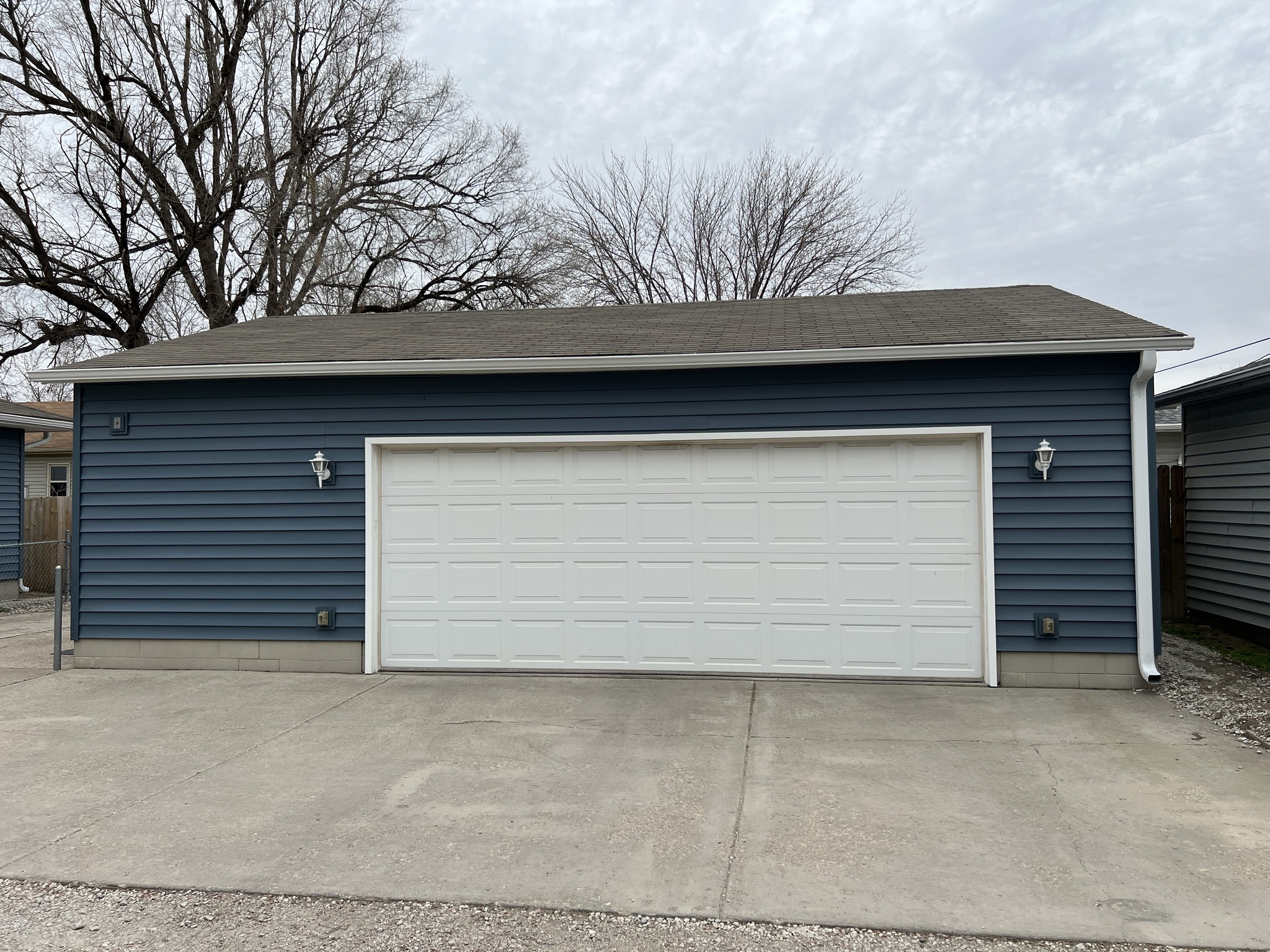
Gutter and exterior drainage detail for inspection planning

Why call Alfa y Omega

Water problems get expensive when they stay vague.

Start with the visible issue

You do not need to know whether it is a repair, replacement, storm concern, or exterior upgrade before reaching out.

Get a practical recommendation

Alfa y Omega can look at the condition of the roof or exterior and explain the next step in plain language.

Move toward a scheduled solution

If the concern needs attention, the site points you to the fastest action: schedule an inspection or call the team.

Common questions

Can bad gutters damage a roof?

They can contribute to roof-edge, fascia, soffit, and moisture problems when water backs up or spills into areas that are supposed to stay dry.

Should gutters be inspected after hail?

Yes, especially if you see dents, loose hangers, crushed downspouts, roof granules, or water spilling where it did not before.

Is gutter replacement always needed when gutters leak?

No. Some leaks are repairable. Replacement becomes more likely when leaks are widespread, the material is worn out, or the system is not sized or pitched correctly.

Should gutter work be checked with siding or roofing?

Often, yes. Gutters connect to fascia and roof edges, and water problems can show up on siding, trim, soffits, and foundation areas.

Leaking, sagging, dented, or overflowing gutters?

Start with a clear inspection. Alfa y Omega can help identify whether a focused repair or replacement plan makes more sense.

Schedule a Free Inspection