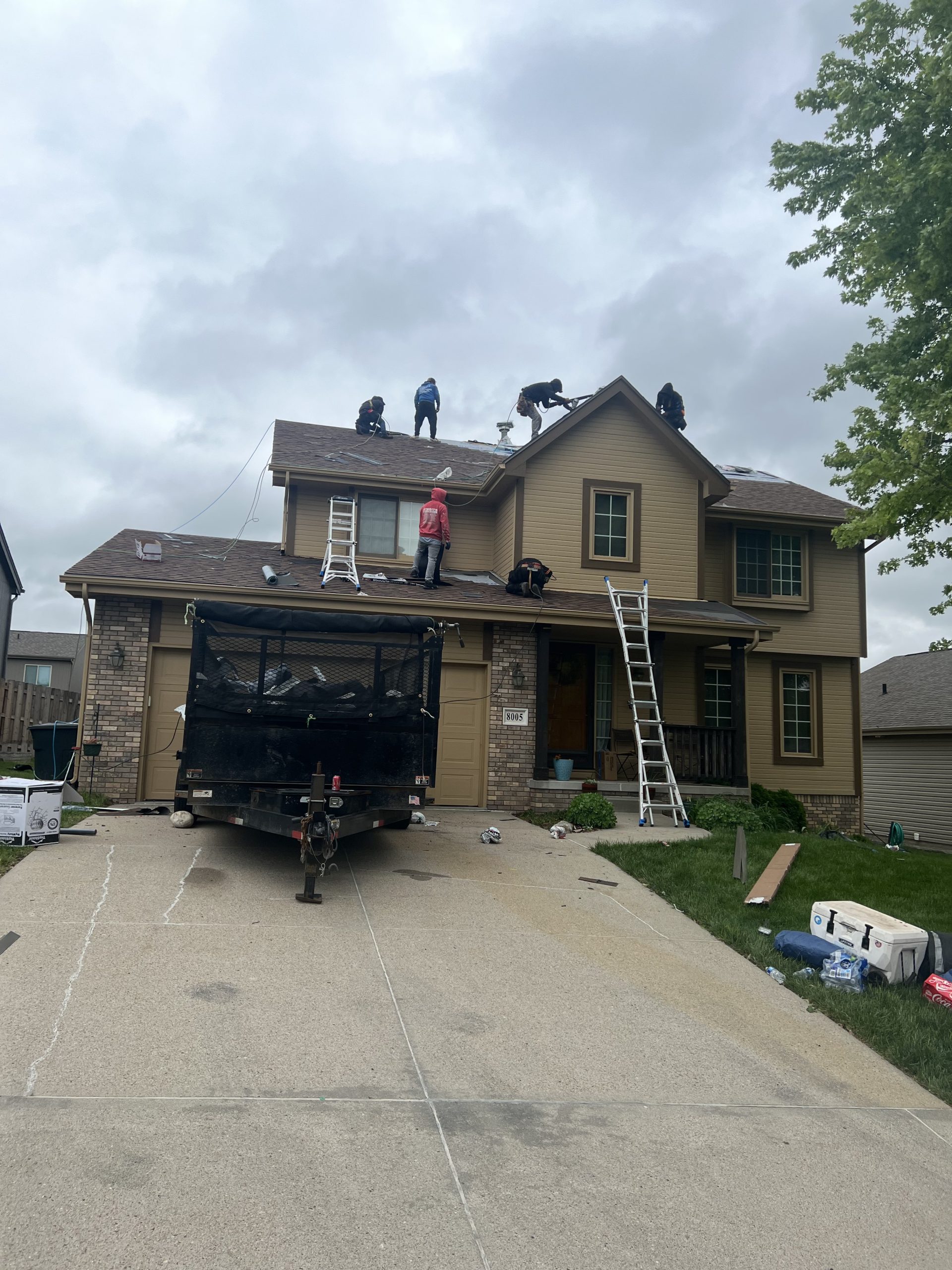
A good roof inspection should give you clarity. It is not just a quick look from the driveway or a pushy sales visit.
Start With What You Can See Safely
You do not need to climb onto the roof to notice that something may be wrong. Walk the property from the ground, look at the roofline from multiple angles, and pay attention to gutters, siding, vents, screens, and areas where water normally drains. If anything looks fresh, dented, lifted, cracked, stained, or out of place, take photos and write down when you noticed it.
What Homeowners Should Know
- The contractor asks what you have noticed and whether a recent storm is involved.
- They inspect shingles, vents, flashing, roof edges, gutters, and visible exterior components as appropriate.
- They look for leak sources, age-related wear, storm indicators, and installation concerns.
- They explain findings in plain language and recommend repair, replacement, documentation, or monitoring.
Why Waiting Can Cost More
Some roof and exterior problems do not become urgent until water gets inside. By then, the repair may involve drywall, insulation, decking, paint, flooring, or other interior work. An inspection does not force you into a project; it gives you information before the problem grows.
A Better Next Step
If you are unsure what is happening, schedule your free inspection and ask for clear next steps. Alfa y Omega’s role is to inspect, explain what is visible, and help you understand the next best step. For storm-related situations, that may include documenting observed damage. For retail projects, it may mean a clear estimate, repair recommendation, replacement plan, or financing conversation.
Quick FAQ
Do I have to know exactly what is wrong before calling?
No. Many homeowners call because they are not sure. The inspection is meant to clarify the situation.
Should I climb on the roof to check it myself?
No. Roofs can be steep, slick, brittle, or damaged after storms. Keep your check ground-level and let a qualified person inspect the roof surface.
Will every issue require a full replacement?
Not always. Some issues are repairable. Others are signs that the roof or exterior system needs a larger conversation. The condition, age, damage pattern, and project goals all matter.
Can Alfa y Omega help me understand insurance-related roof damage?
Yes, Alfa y Omega can document observed conditions and explain repair options. Insurance coverage decisions are made by the carrier according to the policy.
What the Inspector Is Looking For
A good inspection may include shingles, flashing, pipe boots, vents, valleys, gutters, downspouts, fascia, siding, attic or interior leak areas when relevant, and signs of storm impact or age-related wear. The inspector should look for patterns, not just one obvious problem.
What You Should Receive Afterward
The homeowner should understand what was found, what appears urgent, what can be monitored, and what options are available. The best outcome is clarity: repair, replacement, documentation, estimate, or no immediate action. If you choose to book an inspection, use it as a fact-finding step, not a commitment to a project.
What Homeowners Should Have Ready
Before the inspection, gather any photos, leak locations, storm date notes, roof age information, past repair history, and insurance questions if storm damage may be involved. You do not need everything perfectly organized, but even basic context helps the inspection focus on the right concerns.
What a Good Inspection Should Leave You With
After the inspection, you should understand what was checked, what concerns were found, what can wait, what needs attention, and what the next step is. That may be repair, replacement planning, insurance documentation, financing discussion, or simply monitoring the roof if no urgent issue is found.
Clear next step
Not sure what you are looking at?
If something looks off after a storm, leak, or exterior issue, the safest next step is to have it checked and documented before the problem grows. Alfa y Omega can inspect what is visible, explain repair or replacement options, and help you understand the next step.